
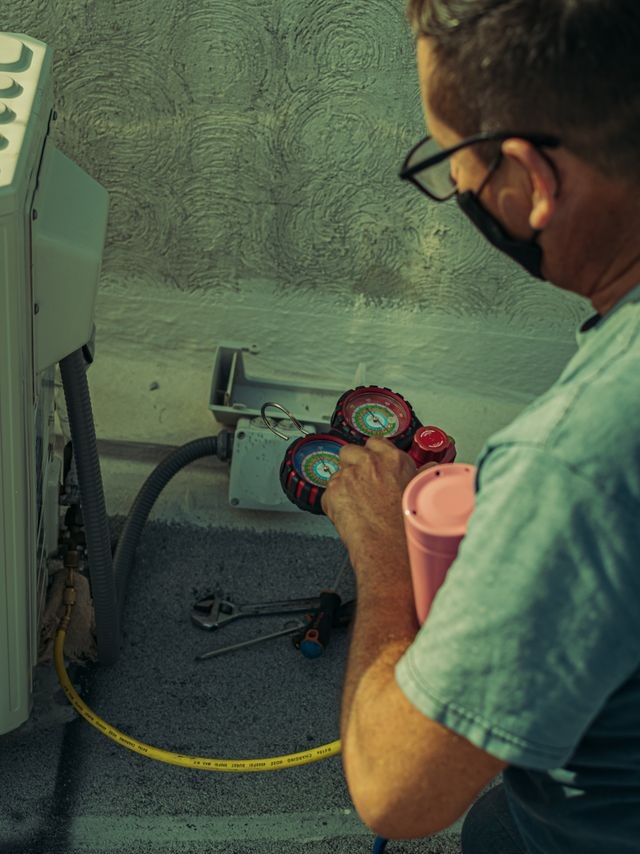
A homeowner’s AC dies on the hottest day of the year. She’s not waiting by the phone.
She’s calling the first HVAC company in her search results, and if it rings through to voicemail, she’s already dialing the second one. Then the third. Somewhere on that list, someone picks up live — and that’s who gets the job. Not the best crew, necessarily. Not the fairest price. Just whoever answered.
“We’ll call them back” stopped working a long time ago
This isn’t a discipline problem. Your techs are on roofs and in crawlspaces, not sitting next to a phone — that’s the job, and it should be. The problem is what happens in the gap between a missed call and a callback.
There’s a well-known study out of MIT, done with InsideSales.com, that looked at over 100,000 real sales call attempts. The finding: reach a lead within five minutes and you’re up to 21 times more likely to actually qualify them, compared to waiting thirty. Wait an hour and you’re roughly 100 times less likely to ever reach them at all.
Most shops aren’t calling back in five minutes. Industry averages sit closer to four hours. In that window, the homeowner with a dead AC unit has already searched again, found two or three more contractors, and called at least one.
And here’s the part that actually stings — you don’t usually get a second shot. Most callers who hit voicemail don’t leave one. They just move to the next name on the list.
The calls you’re missing aren’t your average ones. They’re your best ones.
No heat, no AC, a system that’s fully dead — these calls hit exactly when you’re least available. Nights. Weekends. The middle of a heat wave, when every truck is already out. Invoca’s own research on home service businesses puts the average value of a missed call at around $1,200, and after-hours emergency work tends to run above your typical daytime ticket, not below it.
So the calls slipping through are disproportionately the ones worth the most.
What actually fixes it
Not a longer voicemail script. Not an after-hours greeting promising a callback “first thing tomorrow.” Those don’t solve the five-minute problem — they just make the delay sound polite.
What actually fixes it is answering every call live, the moment it comes in, 24 hours a day — the 2am no-heat call included, and the Saturday afternoon when three units die on the same street during a heat wave.
That’s the job Ava does. She’s a phone-answering AI built specifically for home service contractors — not a voicemail box with a friendlier greeting. She picks up instantly, finds out what’s actually wrong, checks your real calendar, and books the appointment while the caller’s still on the line. There’s no callback to make, because by the time you’d normally be dialing them back, the job’s already on your schedule.
She doesn’t buckle during a storm or a heat spike the way a two-person office does either. Triple the call volume and she still answers every one of them, exactly the same way.
The math isn’t complicated
Miss even a handful of calls a week, and if a good chunk of those are worth four figures, it adds up faster than most contractors expect — usually faster than they’d guess until they actually track it for a month.
The fix isn’t hiring. It’s making sure the phone stops going to voicemail.
Want to hear it for yourself? Talk to Ava — she’ll pick up live, right now, exactly like she would for a real customer.
Sources: